


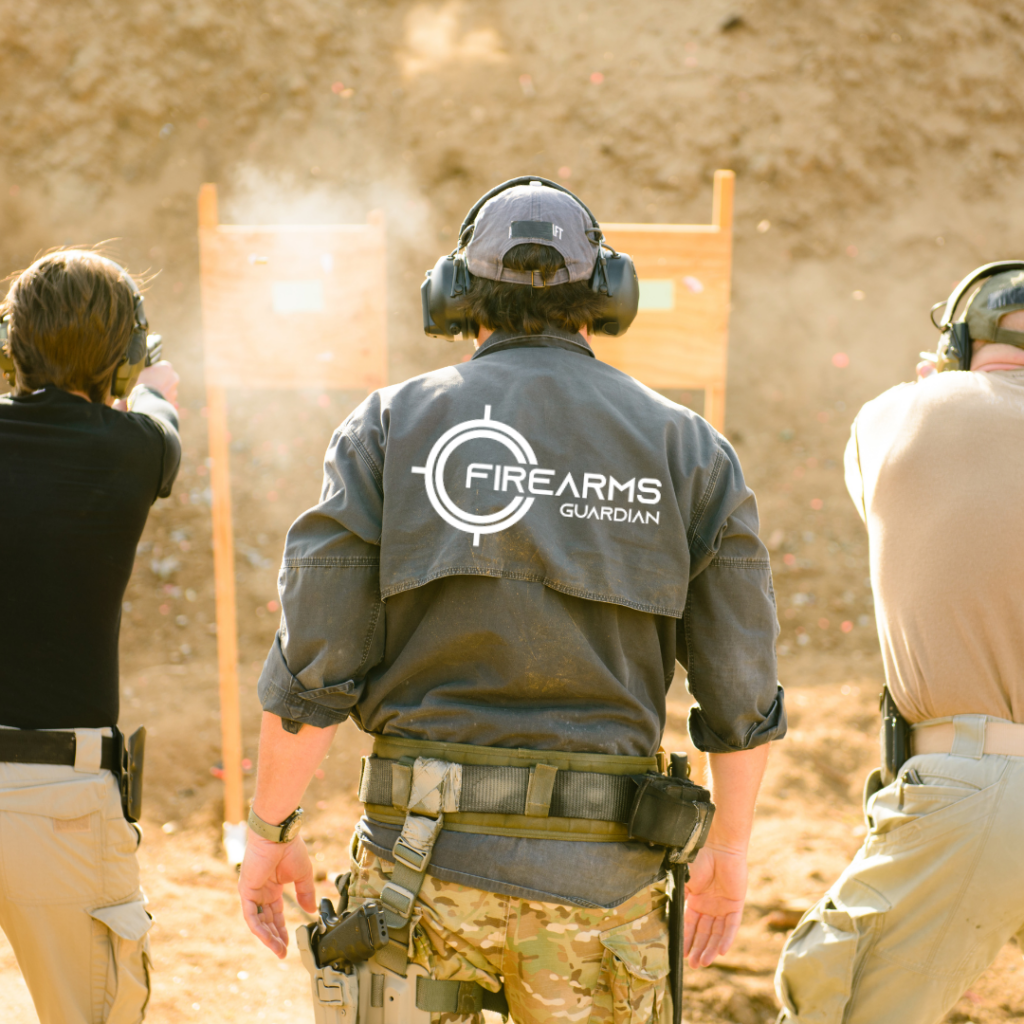
For most responsible firearm owners, the goal is simple: never to use it. A firearm represents security, not intention. Yet that mindset often leads to one critical oversight — neglecting regular training.
In a high-pressure situation, performance is shaped long before the moment arrives. Without preparation, hesitation and uncertainty take over. With training, responses become controlled and deliberate.
Skill fades faster than expected
Firearm handling is not a static skill. Safe drawing, trigger discipline, target identification, and situational awareness all require ongoing reinforcement. Without repetition, even experienced individuals can struggle to execute basic actions smoothly.
Training builds consistency. It turns deliberate actions into instinctive responses that hold up under stress.
Judgment cannot be improvised
Effective training goes beyond marksmanship. It develops decision-making.
Understanding when to engage, when to disengage, and how the law defines a legitimate threat are all part of responsible ownership. These are not decisions to figure out in real time.
Scenario-based training introduces complexity in a controlled environment, allowing firearm owners to think through consequences before facing them in reality.
Confidence that is earned, not assumed
Carrying a firearm for years without incident can create a sense of comfort. That comfort, however, is not the same as readiness.
Regular training keeps awareness sharp and reinforces responsible habits. Confidence becomes grounded in capability rather than routine.
Responsibility continues beyond licensing
Obtaining a firearm legally is only the first step. Maintaining the ability to handle it safely and lawfully is an ongoing commitment.
Even if the intention remains never to use it, training ensures that if circumstances ever demand action, the response is measured, informed, and effective.
Preparation is what turns ownership into responsibility.

